



The year 2026 is set to become a turning point for the European logistics industry. It’s not just about new technologies – we’re talking about major legal, environmental, and labor market transformations that will directly impact both drivers and transport company executives. These changes will affect daily operations, route planning, equipment use, and driver’s wellbeing. With evolving EU policies, rapid tech development, and growing environmental pressure, only the most flexible and forward-thinking players will be able to keep up.
Let’s take a closer look at the 7 key changes that will reshape logistics across Europe in 2026.

EU mobility package enforcement – more oversight, less flexibility
By 2026, the full implementation of the EU Mobility Package will take effect. This includes stricter monitoring of driving and rest times, mandatory pay according to local minimum wages during foreign assignments, and a requirement to return trucks to their country of registration every eight weeks. While designed to promote fair competition across EU member states, these rules add complexity to operations and increase administrative costs.
For drivers, this means more paperwork and reduced scheduling flexibility. For fleet managers, it creates a need for better HR coordination and route planning systems.
CO₂ emissions reporting will be mandatory for all fleets
Starting in 2026, all new heavy-duty vehicle models must be equipped with systems that monitor CO₂ emissions. This is part of the EU’s broader strategy to decarbonize the transport sector, which currently contributes around 25% of total greenhouse gas emissions. The data will be collected, reported, and assessed—potentially influencing taxes, permits, and compliance ratings.
Transport companies will face a choice: invest in cleaner, more efficient vehicles or pay the price for emissions. Drivers will need to adapt to more advanced, and sometimes more technically demanding, trucks.
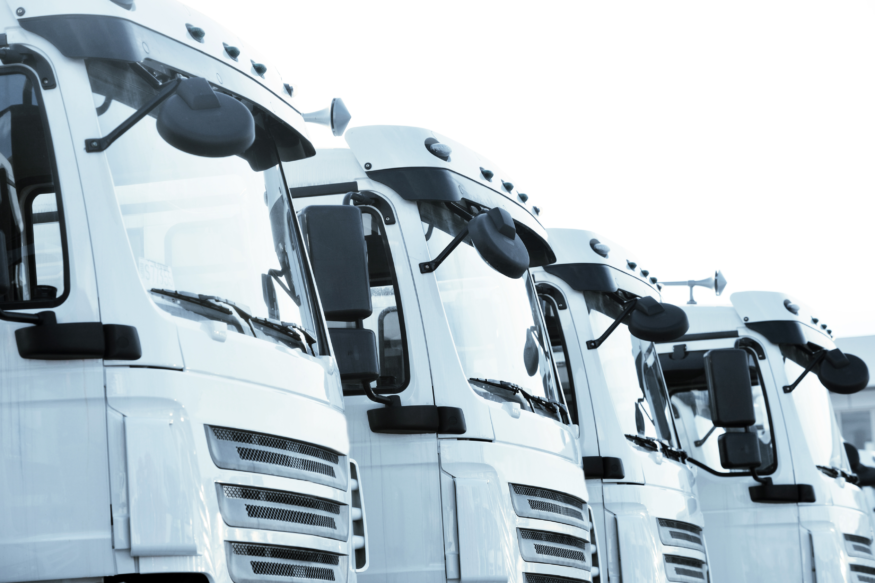
Electric Ttrucks – no longer the future, but the new normal
By 2026, the market for electric trucks will be booming. Leading manufacturers like Volvo Trucks, MAN, and Mercedes-Benz have already introduced long-haul capable electric models. At the same time, charging infrastructure is rapidly expanding, especially in Germany, the Netherlands, and Scandinavia. Some countries are even testing electrified highways (“eHighways”) to support heavy-duty EVs.
For drivers, this means changing habits—planning routes based on charging stations and learning how to operate high-tech onboard systems. For logistics companies, this shift requires major investment but also presents a chance to lead the way in green transportation.
Artificial Intelligence is taking over route optimization
AI-based systems are already transforming how logistics companies operate, but by 2026, their role will become even more dominant. These systems can analyze routes, traffic patterns, cargo specifics, and weather forecasts in real time to determine the most efficient transport strategy. The result? Lower fuel costs, improved punctuality, and fewer human errors.
Drivers will increasingly follow AI-generated instructions, leaving little room for manual route planning. Fleet managers, on the other hand, will rely more on smart data dashboards and automation to make quick, informed decisions.

Driver shortage crisis – pressure and opportunity in one
Europe could face a shortage of up to 500,000 professional drivers by 2026, due to an aging workforce, growing demand, and low interest in the profession among younger generations. As a result, wages are rising, and companies are offering more perks—from health insurance to flexible scheduling and loyalty bonuses.
This presents strong opportunities for experienced drivers, whose market value is steadily increasing. At the same time, smaller companies that can’t compete on benefits may struggle to retain staff and maintain service levels.
Intermodal transport becomes the new standard
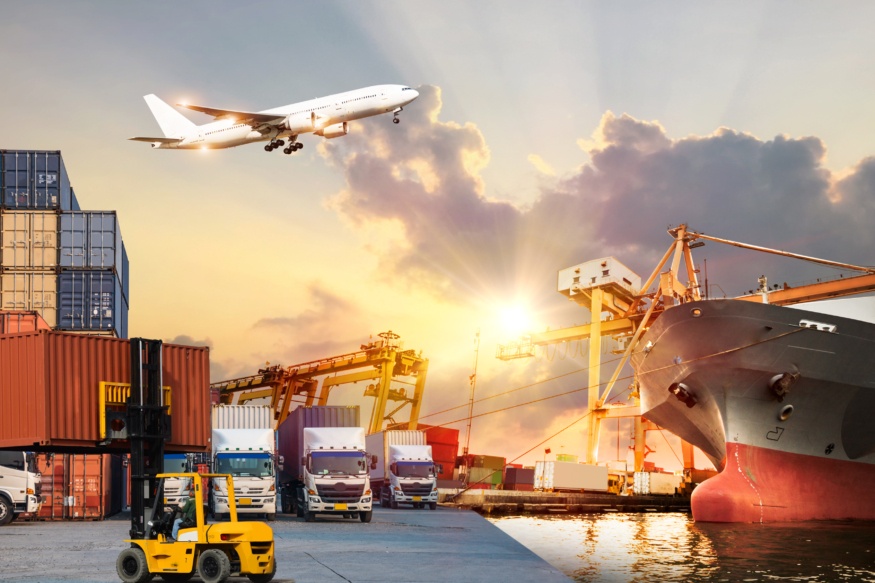
More carriers are combining road, rail, and sea transport to create efficient intermodal logistics systems. This helps reduce emissions, cut costs, and bypass road congestion or legal restrictions. The EU is heavily investing in rail infrastructure and multimodal terminals to support this shift.
For drivers, this means shorter hauls and more frequent handovers of cargo. For logistics providers, it requires new planning models and better coordination between different transport modes. Companies that adapt early will gain a significant operational edge.
Driver wellbeing – no longer optional, but essential
As the labor market tightens, driver wellbeing is quickly moving up the list of priorities for transport companies. Investments are being made in more ergonomic truck cabins, mental health support, modern rest areas, and even retirement plans or family assistance programs. These initiatives are already visible across Western Europe and will soon become a baseline across the continent.
The simple truth is: drivers who feel valued work better and stay longer. Failing to invest in people will mean losing them to competitors who do.
Conclusion
The European logistics landscape in 2026 will look very different from what we know today. Legal regulations, digital disruption, sustainability demands, and labor shortages are converging to form a new reality. Drivers must adapt to smarter systems and greener fleets, while company leaders need to invest not only in their equipment—but in their people.
The transformation has already begun. The question is not if these changes will happen, but whether you’ll be ready when they do.
What’s your take on the future of logistics? Share your insights and experiences with us!
